What have some of us being reading? Books of 2025
At the end of 2025, a few Baptists share some of their best reads of the year - and possibly put something on the list for you in 2026. Compiled by Andy Goodliff
My own books of the year are:
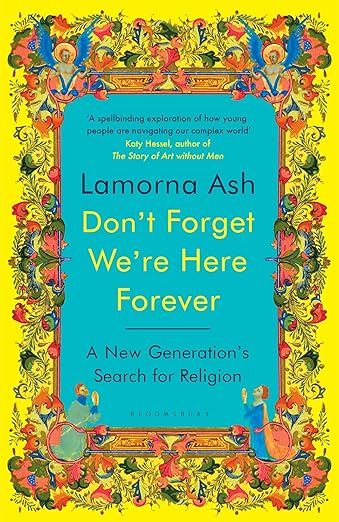 Don’t Forget We’re Here Forever by Lamorna Ash (Bloomsbury, 2025), in which the 20-something author explores a variety of expressions of Christianity from Christianity Explored at All Souls, Langham Place, YWAM in Harpenden, to Iona, and the shrine at Walsingham. This is wonderfully written, from a Gen-Z young adult open to Christian faith.
The Place of Tides by James Rebanks (Penguin, 2024) is Rebanks’ third book. The first two (also recommended) were about sheep farming in the Lake District, this latest book finds Rebanks staying on a remote Norwegian island with two women, one of whom has being caring for Eider ducks for decades. He draws you into the lives and history of Anna, and what this vocation means for her and for us.
Joining Creation’s Praise by Brian Brock (Baker, 2025) is a big book, over a 1000 pages. It is a deeply biblical and theological treatment of Christian ethics based around the first chapters of Genesis. It is not an easy read, but one worth engaging with. Brock draws us into the Genesis creation account, and from that into reflections on rubbish to marriage, from living with animals to politics and violence. Having dipped into it, I’m looking forward to a slower read alongside a few friends in 2026.
Andy Goodliff
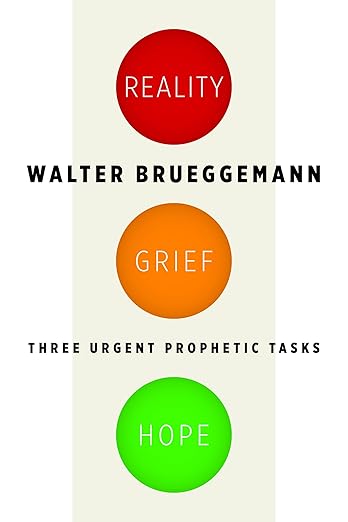 Reality, Grief, Hope: Three Urgent Prophetic Tasks by Walter Brueggemann (WJK, 2014) was a book I re-engaged with this year. There are many injustices that the prophetic writings name, but rather than giving rise to despair, Brueggemann highlights the fact that lament acts as a doorway to hope.
Re-reading this in the light of the sudden closure of Spurgeon’s College gave me a container to process the sadness and confusion I was hearing and experiencing. This was not only cathartic but helped me to hold onto hope in new possibilities.
In a fast-paced, action-orientated world, Wintering: the power of rest and retreat in difficult times by Katherine May (Rider, 2020) celebrates space, rest, and reflection. Here is a personal narrative of May’s own discovery of the wonders of the Winter months and encourages us to embrace the darker seasons of our lives.
Lucy Wright
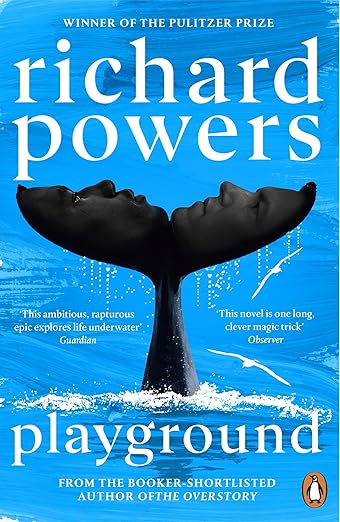 Playground by Richard Powers (Hutchinson, 2024)
A beautiful written, engaging, immersive novel, which in the midst of a tender, emotional life stories, highlights the beauty and fragility of the oceans. Typically, as in all his novels, Powers has researched deeply and widely, and brings his subject to life with his trademark genius.
There’s friendship, intimacy, artificial intelligence, and the fate of 90 per cent of the biosphere without being at all heavy-handed - vast ecological and tech questions.
There are Rivers in the Sky by Elif Shafak (Penguin, 2025)
Such a beautiful novel. Multiple lives, across centuries, and differing geographies are woven together, shaped by longing, exile, and violence. Water - rivers, droplets, snow - functions as witness to the multiple lives and experiences. It is quietly absorbing, evoking mood, compassion, for displaced lives, and fragile cultures, with a hopeful vision for the future.
Paul and the Resurrection of Israel by Jason Staples (Cambridge University Press, 2023)
A couple of years old now but well worth the engagement. Staples argues that for Paul the resurrection of Jesus from the dead marks the beginning of God’s restoration of Israel as foretold in the prophets, with the resurrection of the dead and the inclusion of the nations, following from and not replacing Israel’s renewal.
Staples insists that Israel is distinct from Judah and disallows the collapsing of the lost tribes of Israel into Judah noting that Paul’s vision of the salvation of all Israel is indeed the salvation, eschatological regathering of the entire people of Israel.
Edward Pillar
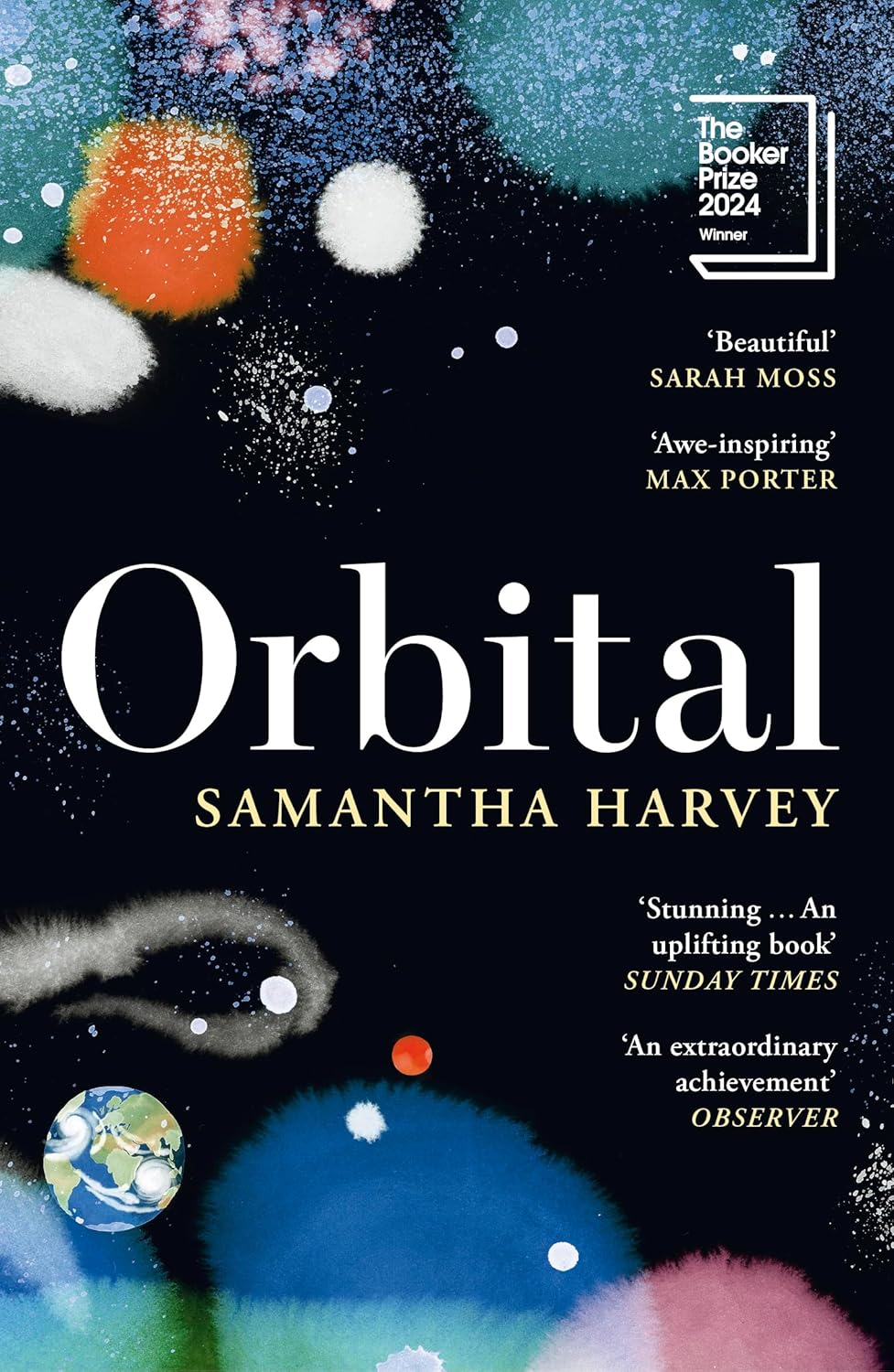 Orbital by Samantha Harvey (Jonathan Cape, 2023). Orbital is a remarkable novel about what it means to be human examined through the experience of six astronauts on the international space station. The writing is sparse, beautiful, and thought provoking.
Theology in Many Voices: Baptist Vision and Intercontextual Practice by Amy L. Chilton (Baylor University Press, 2023).
Chilton argues persuasively that systematic theologians should take account of lived experience in their explorations of Christian doctrine.
An Ordinary Mission of God Theology: Challenging Missional Church Idealism, Providing Solutions by Andrew Hardy (Wipf and Stock, 2022).
This book presents an exemplary congregational study of a local church which is re-oriented to embody a ‘missional theology’ in its life and witness. Hardy explores the ‘ordinary theology’ of members in dialogue with the ‘missional theology’ of the leadership. There are important learnings from this study for all committed to mission through the local church.
Julian Gotobed
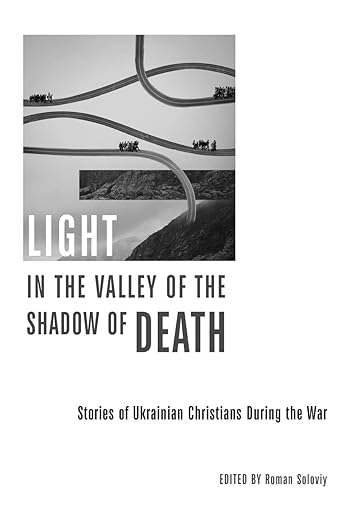 Light in the Valley of the Shadow of Death edited by Roman Soloviy (Langham, 2025)
This is a collection of essays by evangelical Ukrainian theologians, written in the context of the escalated Russian offensive of the last four years. From theological educators rediscovering the value of the imprecatory psalms, to Christians wrestling with fear of death, to anger at those who have fled the country rather than defend it, this is theology in the raw. It is real, it is honest, it is being worked out in real time.
And, at least in one case, it is being written in a dug-out during active service. Humbling, inspiring, disturbing.
The Case Against the Sexual Revolution by Louise Perry (Polity, 2022)
Perry wrote this before she became a Christian. What is remarkable to me is that from her observations as a feminist who has worked in a rape crisis centre (i.e. arguing 'upwards' by natural law rather than receiving revelation 'downwards'), she concludes that the sexual revolution has been deeply harmful for women.
Extraordinarily, in the final chapter, she suggests that a life-long committed monogamous relationship, formalised with a public and legal commitment, might just be the best thing. It's almost as if God knew what he was talking about.
Under the Frog by Tibor Fischer (Corsair, 2018)
This is the most extraordinary novel I've read in a long time. It charts the story of two Hungarian basketball players in the lead-up to the Hungarian Revolution of 1956. Not for the prudish, it is like reading Rabelias on steroids. Hilarious and brutally truthful.
Helen Paynter
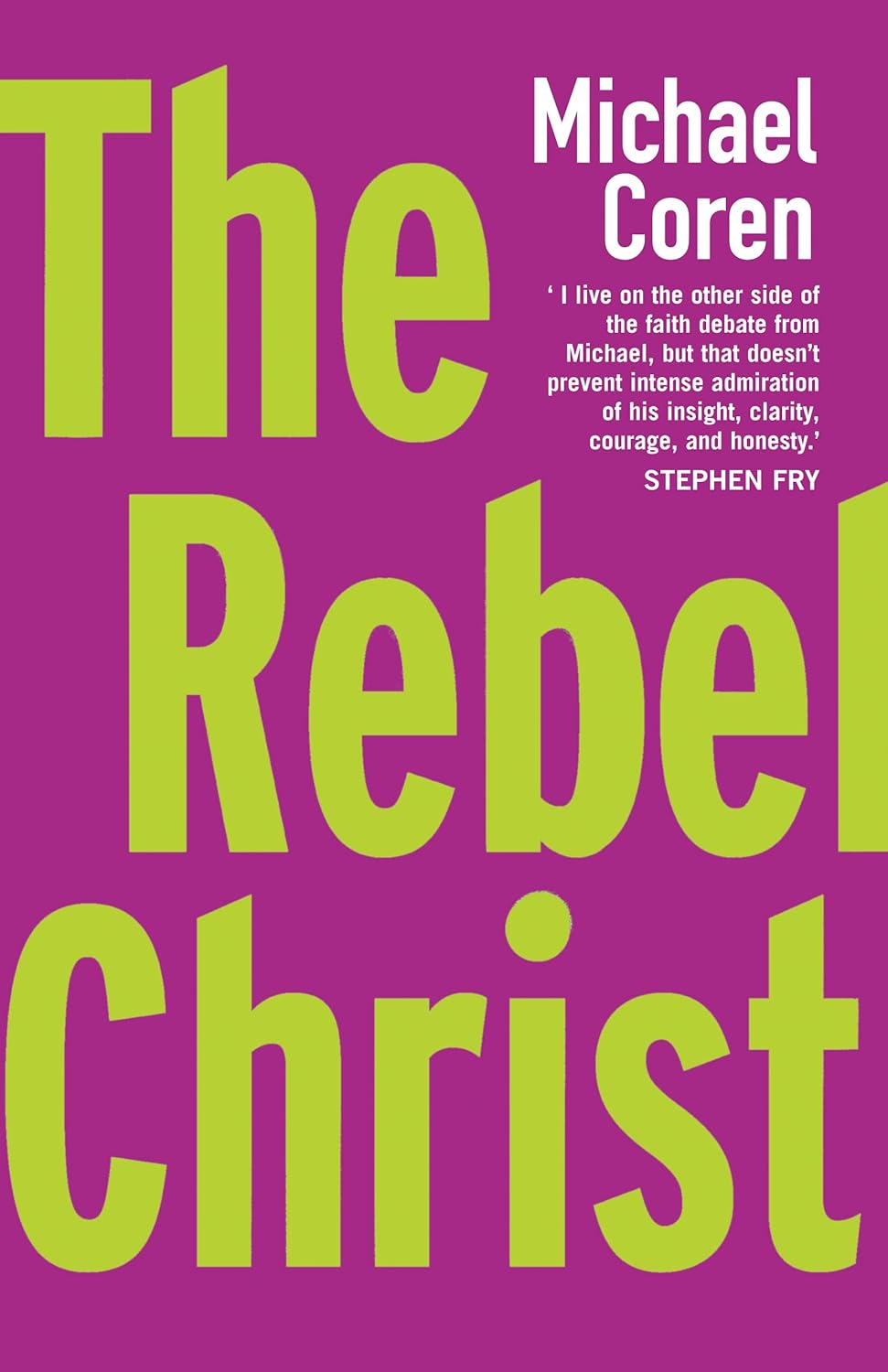 The Rebel Christ by Michael Coren (Canterbury Press, 2022).
Michael Coren has been on a very public theological journey, from champion of religious conservatives to advocate of a radical and progressive gospel. He gave me this book at a recent dinner we had together, and it is a fascinating read. Commended on the cover by Diarmaid MacCulloch and Stephen Fry.
The Cross and the Olive Tree: Cultivating Palestinian Theology amid Gaza edited by John S. Munayer and Samuel S. Munayer (Orbis Books, 2025).
This collection of essays by Palestinian Christians is a fascinating and moving exploration of Palestinian Liberation Theology. The book defines this as, 'Palestinian theology is a theology that is made by Palestinians and for the sake of all people in Palestine: Jews, Christians, Muslims, and others.'
Queer Christian: Reclaiming the Bible, Our Faith, and Our Place at the Table by Brandan Robertson (St Martin's Essentials, 2025).
Brandan Robertson grew up in a conservative Christian context in the United States. This book is grounded in his personal journey as a Queer Christian, but offers a thorough work of contextual theology and biblical engagement around issues of gender and sexuality.
Simon Woodman
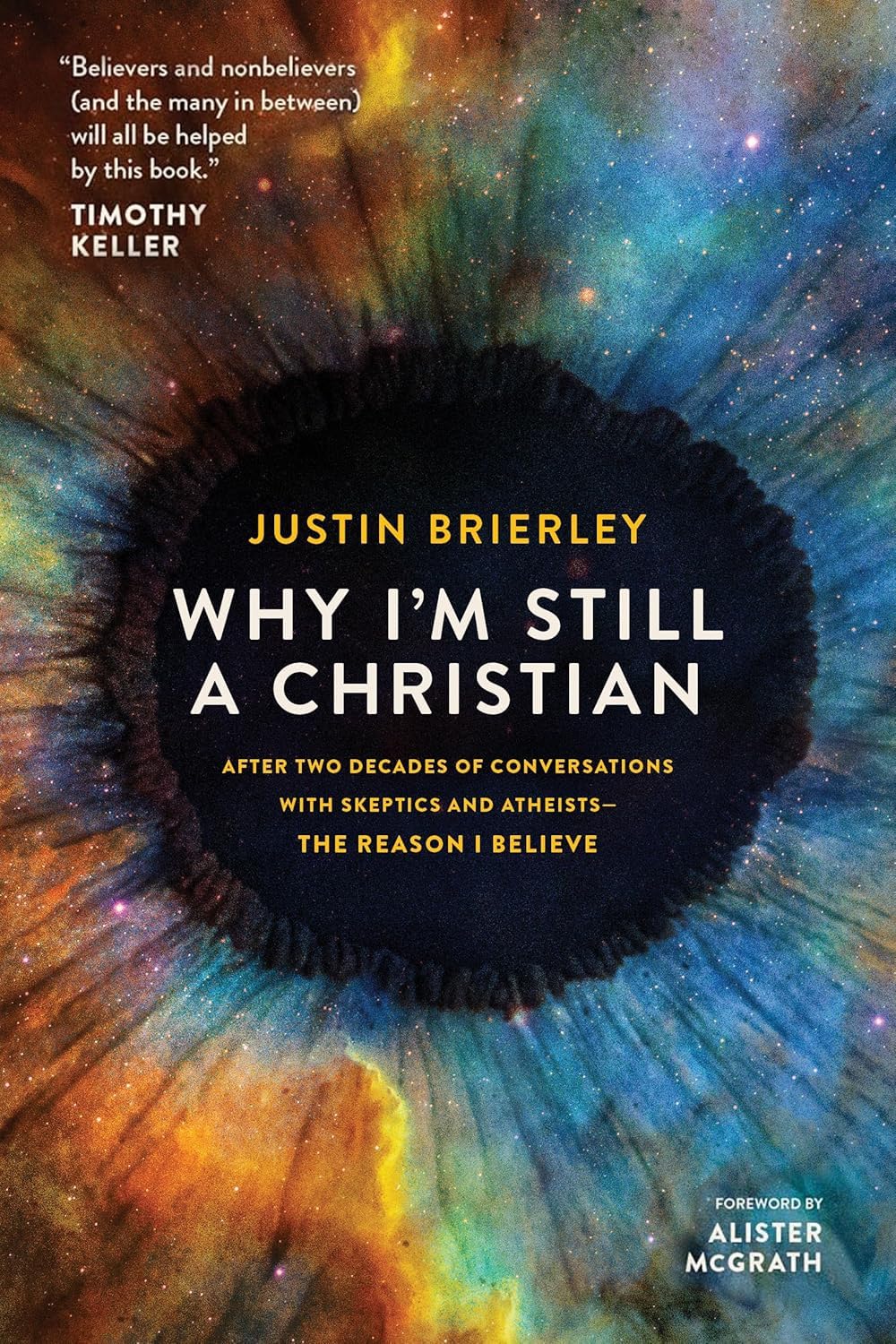 Why I'm still a Christian by Justin Brierley (SPCK, 2025)
We tackled this for our Church Reading Group and it drew an unexpected response. While we all respected the author's sincerity and earnestness, we constantly found ourselves on the 'wrong' side of the argument, agreeing with his critics! But at least it made us think.
Leaving Alexandria by Richard Holloway (Cannongate, 2020)
A moving and honest account by the former Bishop of Edinburgh describing his long journey that has taken him away from institutional expressions of faith, whilst still owning and valuing a deep personal spirituality. I only wish Richard Holloway could have found a welcome place in Non-Conformity where the rituals and rubric of church life are less stringent. However, his story is told with the usual eloquence that graces all his writing.
Murder before Evensong by Richard Coles (W & N, 2023)
Not quite Agatha Christie but a wonderful blend of the ecclesiastical and criminal - and sometimes it's difficult to tell the difference!
Ian Green
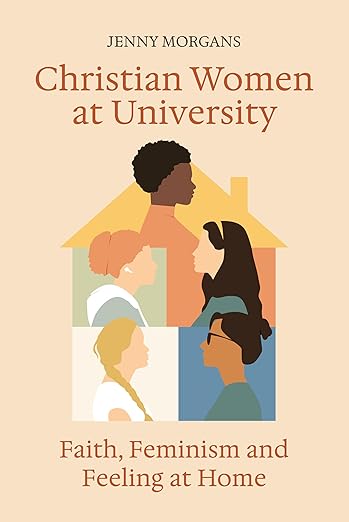 I’ve just finished Christian Women at University by Jenny Morgan (SCM, 2025) which is a chaplaincy must read. It’s qualitative research into women as they navigate the identity shift and life transition from home to university, and all that entails for their faith; for example, did you know they expect a lot from sermons? It’s easy to read, while being really well researched and a must if you work with that age group.
Abby Day’s The Religious Lives of Older Laywomen: The Last Active Anglican Generation (Oxford University Press, 2017). This is a piece of lived religion, and the follow-on research from her Masters thesis/journal article on the 'Wednesday women’, which was a study of a Baptist church's female prayer group (and brilliant - not a book, but I highly recommend it if you can access it).
Whilst Anglican focussed, The Religious Lives resonates ecumenically, helping to understand that generation of women’s spirituality in depth. It reads like a novel at times, with witty observations and a real kindness for the people she is observing. I adored it and read it in one go.
I would also add Lauren Winner’s The Dangers of Christian Practice: On Wayward Gifts, Characteristic Damage, and Sin (Yale University Press, 2018), which is a thoughtful critique of the use of virtue ethics in ecclesiology. It’s theologically a bit heavier, partly because of the subject matter, but worth it.
Other stand out reads include Stephen Cottrell’s On Priesthood (Hodder & Stoughton, 2020), which again is theology that reads like poetry, and James KA Smith’s Desiring the Kingdom (Baker, 2009), which has left me diagnosing everything as a secular liturgy.
Beth Allison-Glenny
As I get older I feel I am appreciating books as much for the beauty of the prose as for the content of the writing. This is probably why first in my list of books this year is Don’t Forget We’re Here Forever: A New Generation’s Search for Religion by Lamorna Ash (Bloomsbury, 2025). I purchased this first as an audio book and listened to it on long car journeys, but I was pressing rewind so many times, to ponder a phrase or an insight, that I bought the hardcopy too. It was money well spent.
Ash writes lyrically of her recent explorations through various expressions of Christian faith with the attention and passion of a poet, together with the critical insight of a trained journalist. For someone like me, who has sought to inhabit many of these traditions of faith at one time or another, and has at least a passing familiarity with the others, Ash’s personal reflections and interviews with others gives an compelling ‘outsiders’ view of why she and others in Britain today are seeking out, and wrestling with and even turning towards God.
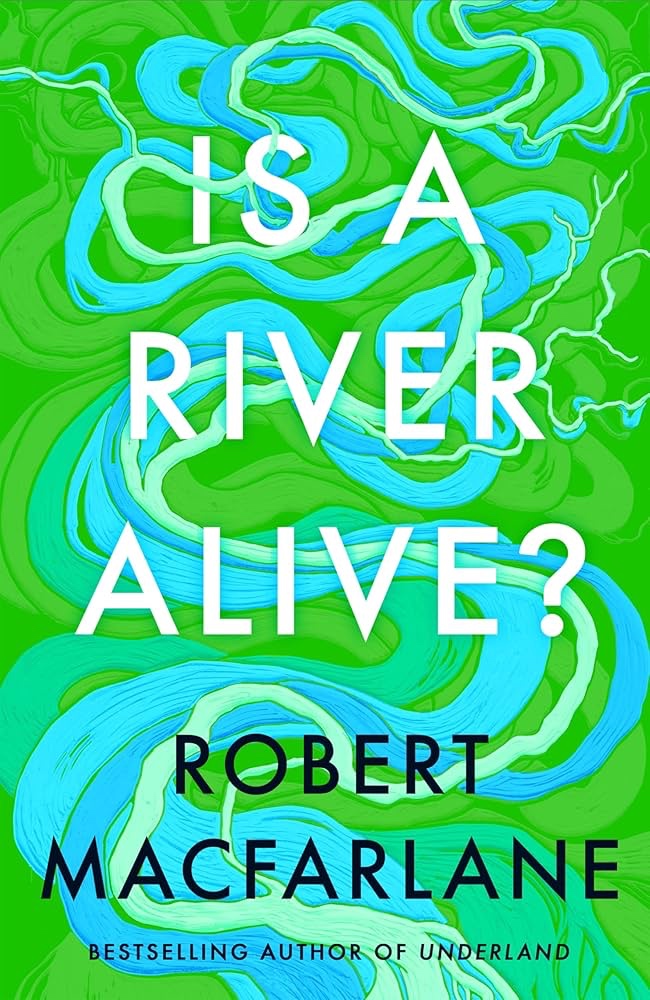 My second book of the year may or may not be a work of theology, but it is certainly another book of lyrical beauty: Is a River Alive? By Robert MacFarlane (Hamish Hamilton, 2005). This publication again invited me to pause and reflect, as much on the wonder of the wordsmith’s craft as with the premise of the writing.
But MacFarlane’s thesis is challenging for anyone who proclaims God as the creator of the natural world. He argues that rivers are not simply a natural resource for people to use as they wish, but that each and every watercourse should be recognised as a living and relational being, with whom our fate is intertwined and who should be recognised as such in our imaginations and our legislation.
He begins, as does many a wise theologian, with his immediate context. A fragile chalk stream that flows nearby his home winds its way through the reflections of the book adding its personality and biography to the somewhat larger rivers in Ecuador, India and Canada whose cries for justice MacFarlane eloquently echoes, bringing him close to the exhortations of Biblical prophets, if only we have the ears to hear.
The third of my books of 2025 was actually published by SPCK in 2024, but I think Sarah Bessey’s Field Notes for the Wilderness: Practices for an Evolving Faith will endure as a resource for Christian discipleship for many years to come. It is perhaps significant that two of my three books this year are written by women and emerge out of their lived experience.
Beginning with her own story of finding both literal and metaphorical waters in the desert, she explores the wilderness experiences that many Christians face today and discovers there, living streams of hope-filled practices that will encourage our faith to flourish and evolve.
Reminding us to 'make peace with the truth' that we and our 'faith will change’ through time, Bessy reassures us not only that we 'cannot wander away from God’s love' as we seek to 'go slowly on purpose’, but that there is happiness to be found as we become ’new explorers on ancient paths’. This is another book whose dexterity of writing and attentiveness to the realities of faith offers rich possibilities for an engaging discipleship and caused me to stop and ask, what might be my own field notes for an ongoing pilgrimage with Christ.
Craig Gardiner
Image | Tom Hermans | Unsplash
Andy Goodliff is the minister of Belle Vue Baptist Church, Southend. He is a lecturer in Baptist History at Regent's Park College, Oxford
Baptist Times, 19/12/2025