No Visible Scars, by Sally Hope
Explores domestic abuse and the unique challenges Christian women face, aiming to help women undertake their own journey of healing
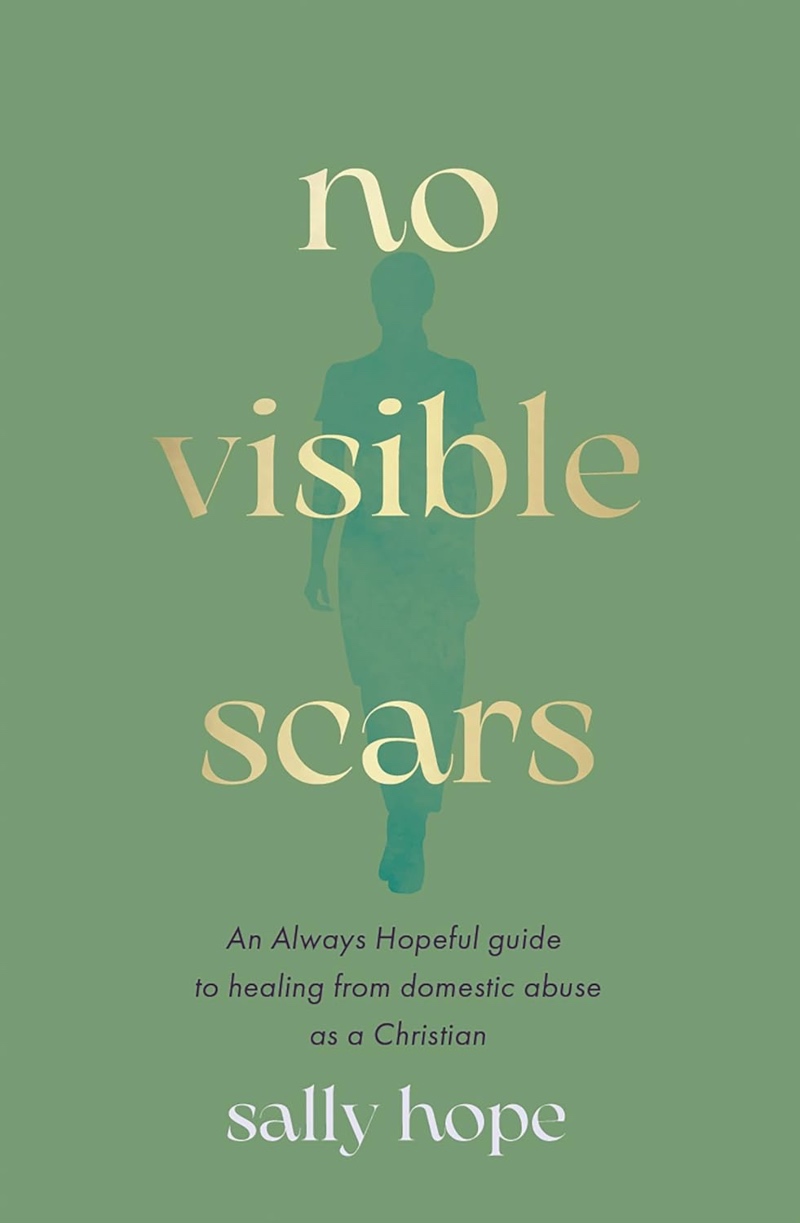 No Visible Scars - an Always Hopeful guide from domestic abuse as a Christian to healing
By Sally Hope
SPCK
ISBN 978-0-28-019-606
Reviewed by Martin M’Caw
This book begins with eight positive recommendations over four pages. The next 12 introductory pages outline the themes. The ten chapters that take us through the details of the author’s experience of abuse and solutions are key. Skip through them and you will miss the depths of misery and the heights of recovery.
Having googled Sally Hope I found her reason for writing No Visible Scars was ‘having experienced domestic abuse myself, I am passionate about supporting domestic abuse victims and have worked as a domestic abuse support worker since 2015, specialising in recovery group work, supporting around 100 women per year to rebuild their lives free from abuse.’
Marriage filled her with hope, excitement and wonder inter alia at what kind of family she would raise. Having left her husband after 16 years she realised she had been a victim of abuse. The big question was ‘Where is God in all this?’
Her analytical approach led to hopeful expectation as she worked through her heap of trauma. Things to consider included believing whether or not God can be relied on to give reasons for hope . The clear picture for future action may not be immediate but methodology will eventually bring it about.
Apart from the first chapter the remaining nine are posed as questions. Eight are Bible Studies presented as questions with space for the reader to write their thoughts and answers to the questions raised. A random selection are Does God care that I was abused? How am I affected by abuse? Who am I in Christ? When will I stop feeling guilty and angry?
While the book has been written by a woman based on her negative experiences of abuse and her positive experiences of Christian faith, it is also a clarifying read for men. Further questions include What about forgiveness? and What if I don’t want to forgive?
The last chapter is What does God think of divorce? a very relevant question for current society. The author says the Bible’s teaching on divorce was for the protection of women, but her last word is that as a consequence of abuse ‘today the safest thing for a woman to do may be to get a divorce.’
The book is not confined to sexual or behavioural abuse. Spiritual abuse is also included and not confined to home but also to church as a misuse of power and a sinful need to control. It can also come from a poor understanding of theology. This is a book written from a Christian perspective and a ‘must read’ for all who are engaged in pastoral counselling, as well as the agonies of the abused.
Among the positive sections in the book are factors for the reader to consider, or do. Each section has space for the reader to add their own thoughts and comments.
In conclusion the author rounds off the book by asking the reader to consider their relationship with God, whether she is seeking a new healthy relationship or remaining single. The final questions to consider are what are the biggest obstacle to your faith, where do you mostly notice God’s presence, how do you prefer to spend time with God, what’s the priority of your relationship with God, and lastly, while reading this book, what have you learnt about your relationship with God?
There is no quick fix, but time and effort can create positive results. No Visible Scars can help bring both emotional and spiritual relief to those anguished by abuse.
The Revd Dr Martin M’Caw is a retired Baptist minister, and Wing Chaplain to No2 Welsh Wing RAF Cadets, also retired
Baptist Times, 13/03/2026